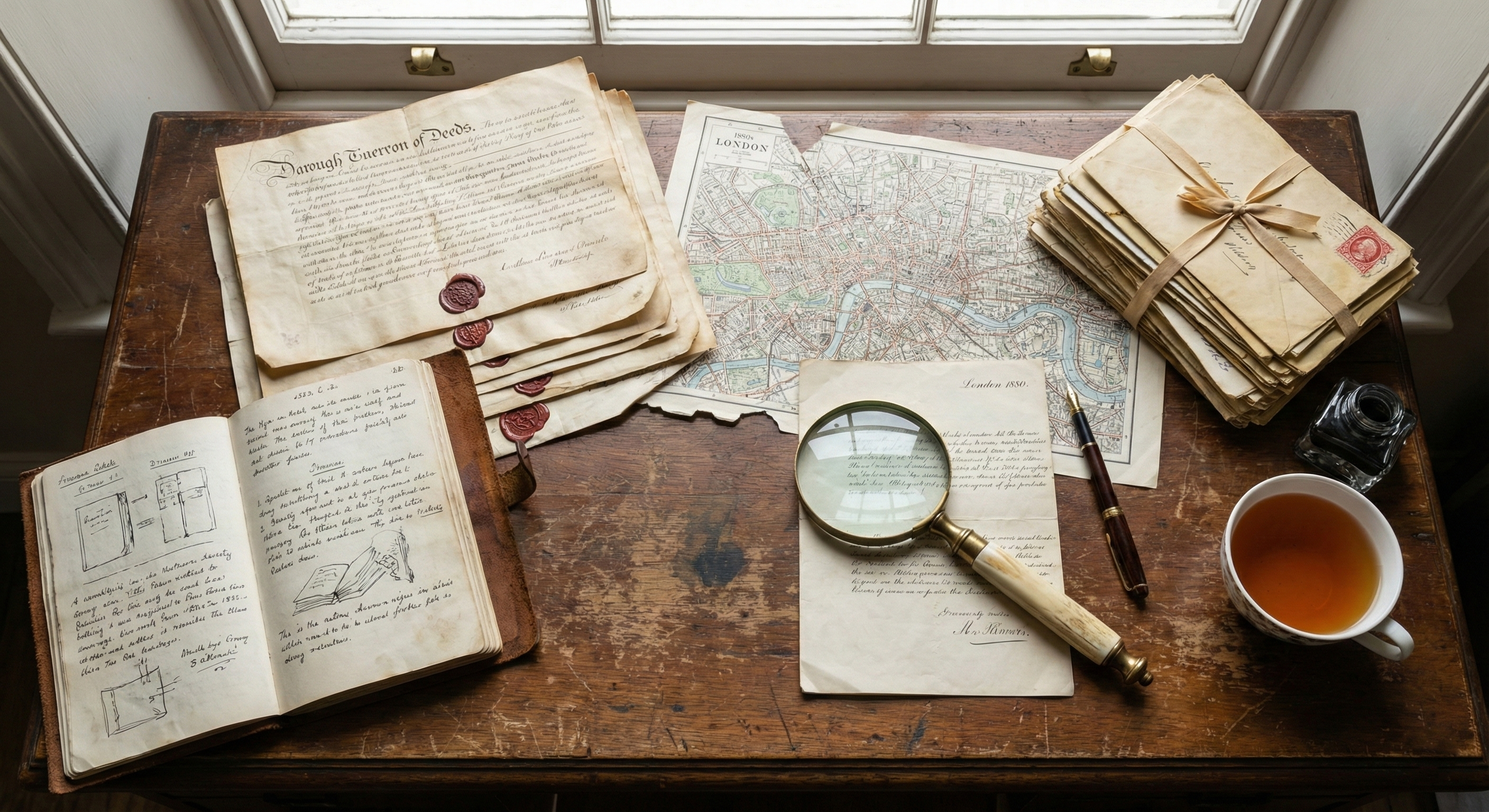
Welcome back to the Echoes of Kin Genealogy blog! Today, I want to pull back the curtain and give you an insider’s look into how I, as a professional genealogist, approach a new research project. It’s more than just searching databases; it’s a methodical, often creative process designed to uncover your family’s unique story with accuracy and depth.
The Initial Consultation: Understanding Your Goals
Every project begins with a conversation. Before diving into any records, I take the time to understand:
- Your Research Goals: What specific questions do you want answered? Are you looking for a direct ancestor, unraveling a “brick wall,” exploring an ethnic lineage, or seeking a specific document?
- What You Already Know: I gather all existing family trees, documents, and family stories you possess. This forms the foundation of our research.
- Known Challenges: Are there any known family myths, adoption stories, or geographical movements that might impact the research?
This initial phase is crucial for setting clear objectives and managing expectations.
Preliminary Review & Hypothesis Formation
With your information in hand, I conduct a preliminary review. This involves:
- Organizing Existing Information: I digitize and organize all provided materials, creating a structured workspace.
- Identifying Gaps and Discrepancies: I look for missing links, conflicting information, or areas that require immediate verification.
- Formulating Initial Hypotheses: Based on the available data, I develop working theories about the family lines or events we’re investigating. These hypotheses guide our initial research steps.
Developing a Research Plan: Your Roadmap to Discovery
This is where strategy comes into play. I create a detailed research plan that outlines:
- Targeted Record Sets: Which records are most likely to hold the answers? This could include census records, vital records (birth, marriage, death), church registers, probate records, land deeds, military records, immigration documents, and more.
- Geographical and Temporal Focus: Pinpointing the exact locations and time periods to concentrate our efforts.
- Prioritization: Deciding which records to search first, often starting with the most recent and working backward, or targeting “gateway ancestors.”
- Potential Challenges: Anticipating linguistic barriers, common surnames, or limited record availability in certain regions.
Execution: The Art of the Search
Now, the actual research begins! This phase is dynamic and often iterative:
- Systematic Record Searches: I meticulously search online databases, archival catalogs, and sometimes even physical repositories, cross-referencing information as I go.
- Analyzing and Interpreting: I don’t just find records; I interpret them. This includes deciphering old handwriting, understanding legal and historical contexts, and evaluating the reliability of each source.
- Documenting Findings: Every piece of information, whether positive or negative, is carefully documented, including source citations. This ensures reproducibility and helps track our progress.
- Flexibility and Adaptation: Genealogy rarely follows a straight line. If a lead goes cold, I re-evaluate the plan, adjust hypotheses, and explore new avenues. Collateral lines (siblings, aunts, uncles) often provide crucial clues for direct ancestors.
DNA Integration (When Applicable)
For complex cases or “brick walls,” DNA evidence can be a game-changer:
- Analyzing DNA Matches: I examine your DNA matches, looking for common ancestors, shared segments, and connections that can corroborate or extend documentary research.
- Triangulation and Clustering: Using advanced DNA tools to identify genetic networks and triangulated groups that point to specific ancestral lines.
- Combining Evidence: The most powerful results come from blending DNA insights with traditional documentary evidence to build a robust case for a lineage.
Synthesis and Reporting: Telling Your Story
The final stage is bringing it all together:
- Synthesizing Information: I compile all findings into a coherent narrative, connecting the dots between generations and events.
- Creating a Research Report: You receive a comprehensive report detailing the research process, findings, analysis of conflicting evidence, and source citations for every piece of information.
- Recommendations for Future Research: Genealogy is an ongoing journey. I often provide suggestions for further exploration, outlining remaining questions and potential next steps.
Your Story Awaits
My approach is designed to be thorough, transparent, and tailored to your unique family history questions. It’s a journey of discovery, and I’m dedicated to helping you uncover the rich tapestry of your ancestors’ lives.
What aspects of genealogical research are you most curious about? Share your thoughts in the comments below!
Leave a Reply