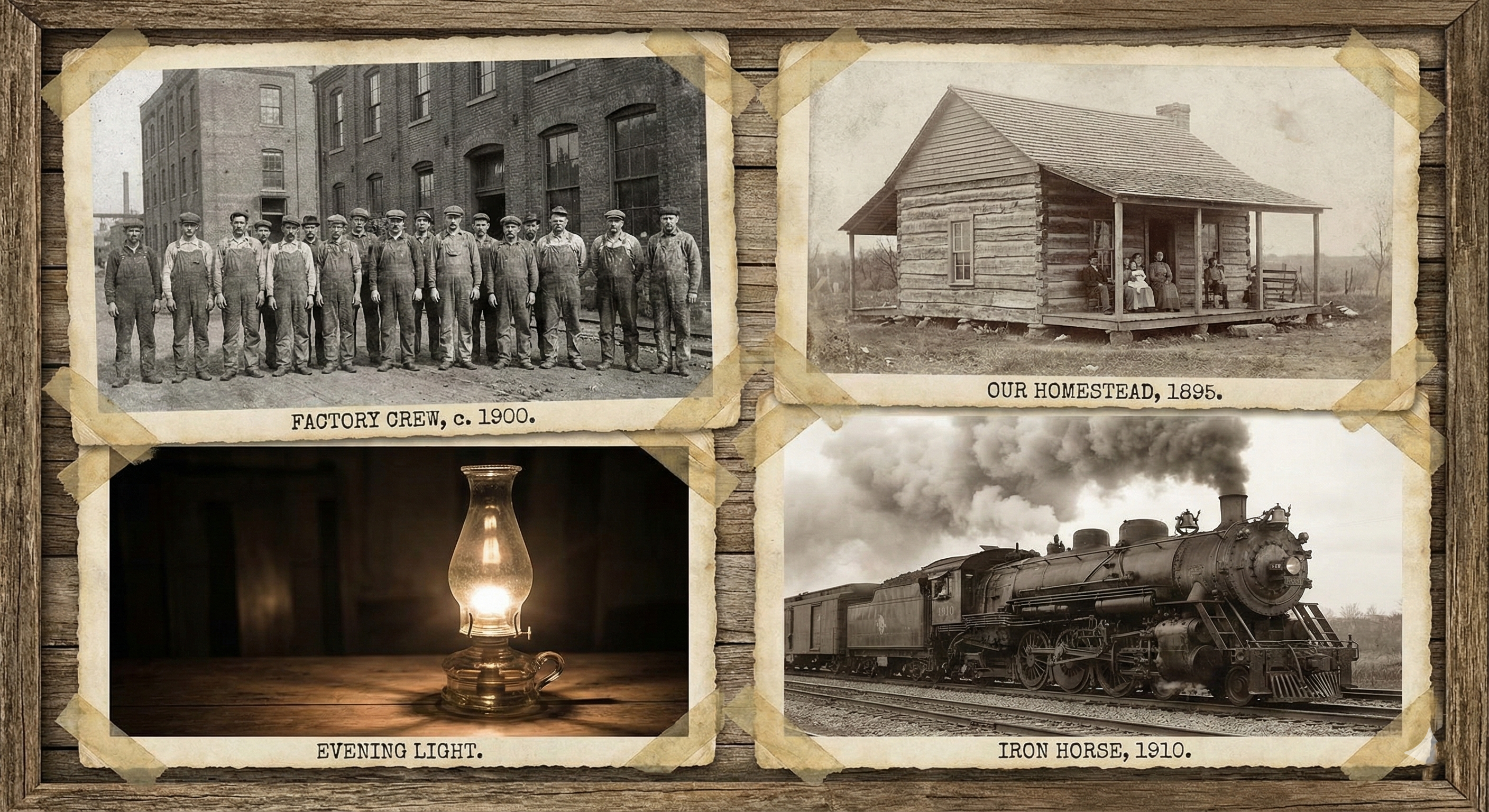
Welcome back to Echoes of Kin Genealogy, where we journey into the past to uncover the lives of our ancestors. Today, we’re stepping into the 19th century, a period of immense change and fascinating daily routines. What was life truly like for your ancestors during this transformative era? Let’s explore.
The Dawn of a New Era: A Century of Change
The 19th century, spanning from 1801 to 1900, was a period marked by the Industrial Revolution, significant social reforms, vast migrations, and technological advancements that reshaped societies worldwide. For your ancestors, this meant a world rapidly evolving, often drastically different from the lives of their own parents and grandparents.
Life in Rural vs. Urban Settings
The everyday experience of a 19th-century ancestor largely depended on whether they lived in a rural or urban setting.
Rural Life: The Rhythms of Agriculture
For the majority, life was agrarian. Farming dictated the daily rhythms:
- Sunrise to Sunset: Days were long and laborious, tied to the seasons and the demands of crops and livestock.
- Self-Sufficiency: Families often produced most of what they needed—food, clothing, and tools.
- Community Bonds: Local communities were tightly knit, with neighbors relying on each other for support, labor, and social interaction.
- Simple Pleasures: Entertainment often involved storytelling, music, community gatherings, and religious observances.

Urban Life: The Hustle of Industrialization
As the century progressed, more people moved to burgeoning cities, seeking work in factories and mines:
- Factory Work: Long hours, low wages, and often dangerous conditions were common for industrial workers. Child labor was also prevalent.
- Crowded Living: Tenements and overcrowded housing were typical in urban centers, often lacking proper sanitation.
- Emerging Social Classes: The rapid growth of industry led to a clearer division between the working class, middle class, and wealthy elites.
- New Opportunities (and Challenges): Cities offered more diverse employment, educational opportunities, and cultural experiences, but also new forms of poverty and social issues.
Home and Family Life
Regardless of location, family was the cornerstone of 19th-century life:
- Large Families: High birth rates were common, though infant and child mortality rates were also significant.
- Gender Roles: While varying by class and region, traditional gender roles were generally strong, with men typically working outside the home and women managing the household and raising children.
- Domestic Chores: Even with advancements, household tasks like cooking, cleaning, and laundry were incredibly time-consuming and labor-intensive without modern conveniences.
- Education: Access to education expanded, especially later in the century, but varied widely based on social class, gender, and geographic location.
Health and Medicine
The 19th century saw significant developments in medicine, but healthcare was still rudimentary by modern standards:
- Limited Understanding of Germs: The germ theory of disease was only widely accepted towards the end of the century, meaning hygiene practices were often poor.
- Common Illnesses: Diseases like cholera, typhoid, tuberculosis, and smallpox were rampant and often fatal.
- Home Remedies: Many relied on traditional home remedies, local healers, and apothecaries.
- Childbirth: Childbirth was a particularly dangerous time for both mothers and infants.
Technology and Innovation
The 19th century was an age of remarkable invention that slowly but surely began to change daily life:
- Transportation: The steam engine revolutionized travel with railways and steamboats, making long-distance journeys faster and more accessible.
- Communication: The telegraph transformed long-distance communication.
- Lighting: Kerosene lamps began to replace candles, offering brighter and more efficient lighting.
- Photography: The invention of photography allowed for the capture of images, providing us with invaluable glimpses into the past.

Bringing Their Stories to Life
Understanding these aspects of 19th-century daily life allows us to truly connect with our ancestors. When you find a birth record from 1850 or a marriage certificate from 1880, imagine the world they inhabited: the clothes they wore, the food they ate, the challenges they faced, and the joys they celebrated.
What aspects of your 19th-century ancestors’ lives have surprised you the most? Share your thoughts and discoveries in the comments below!
Leave a Reply